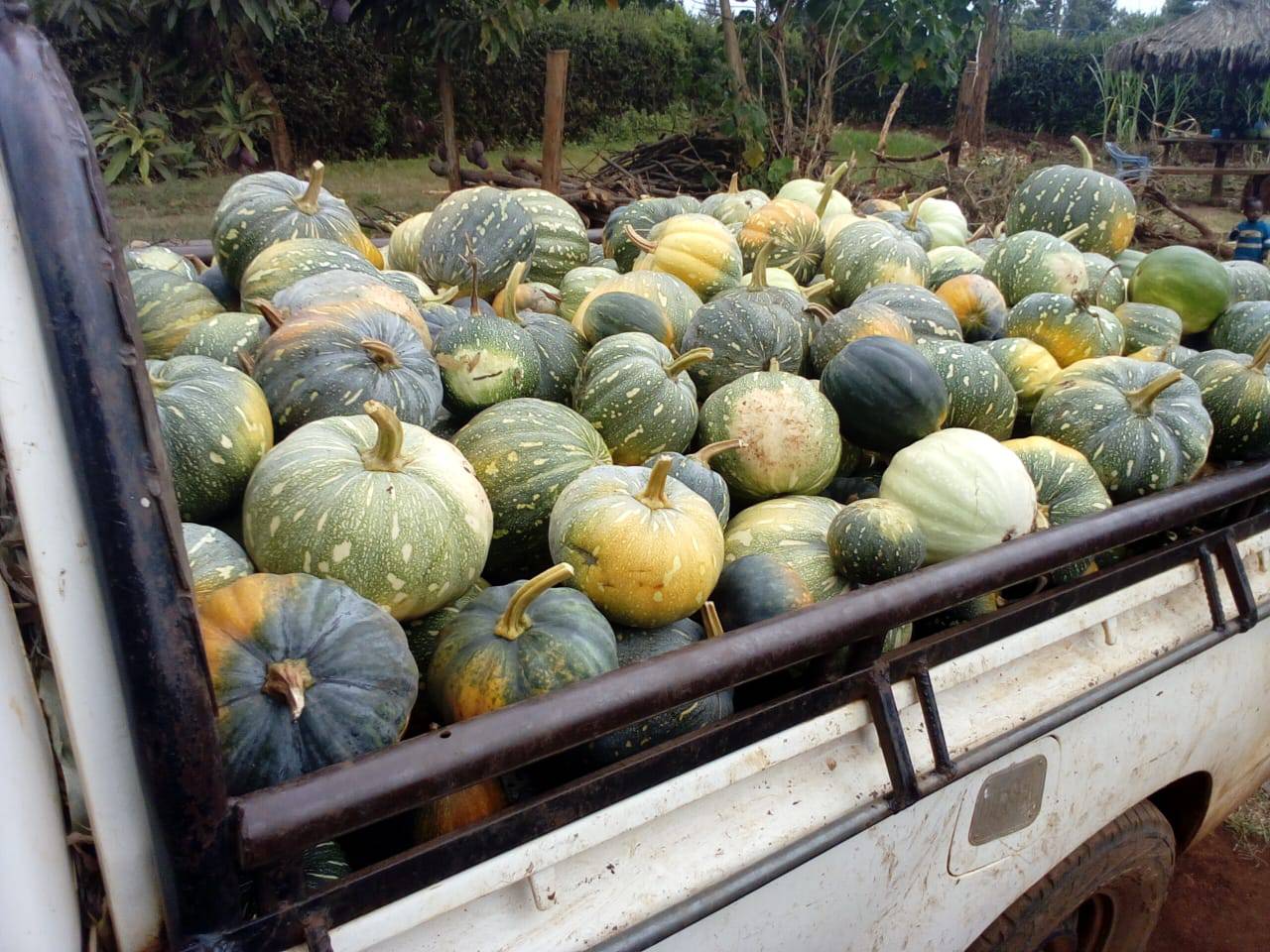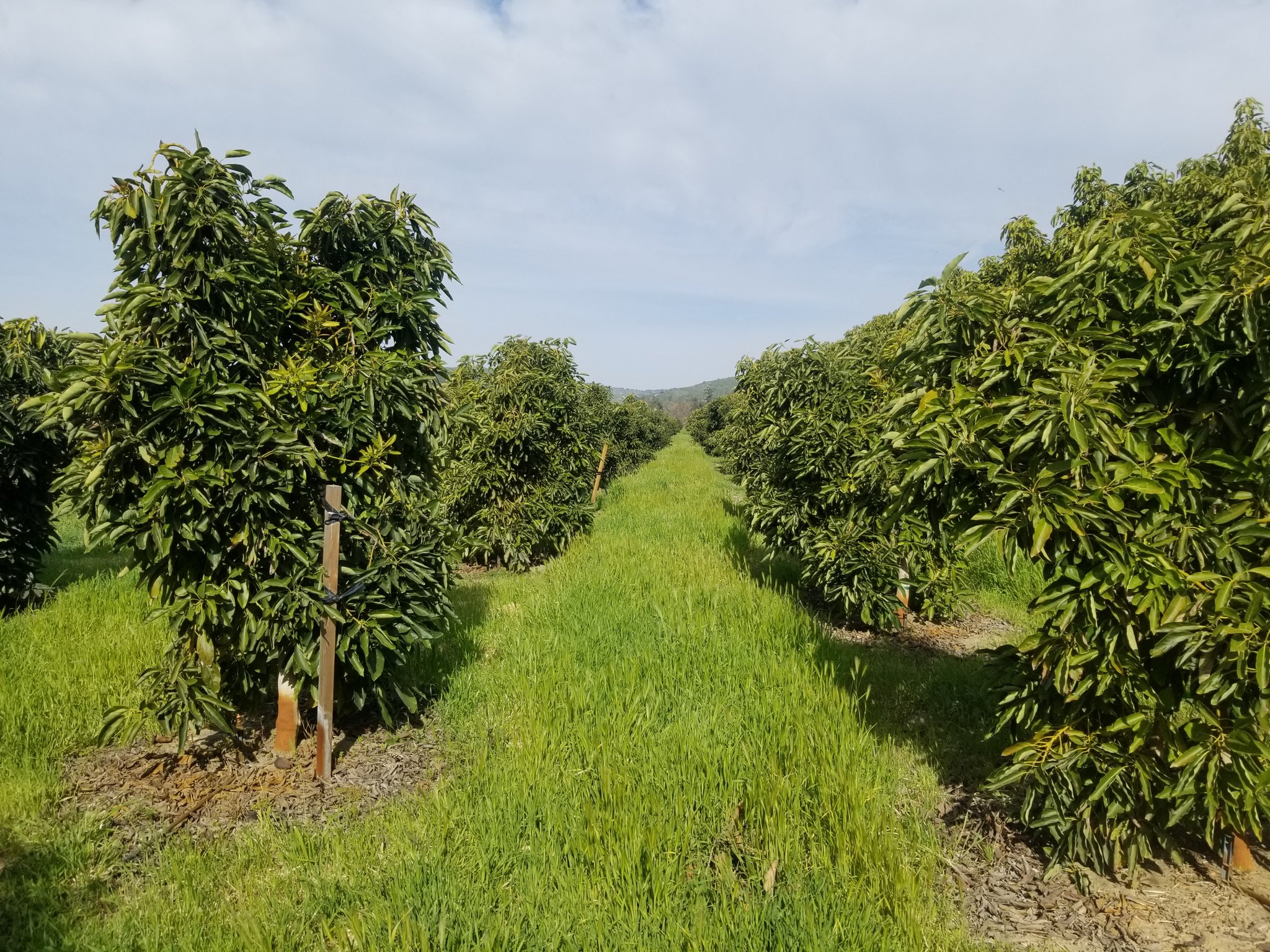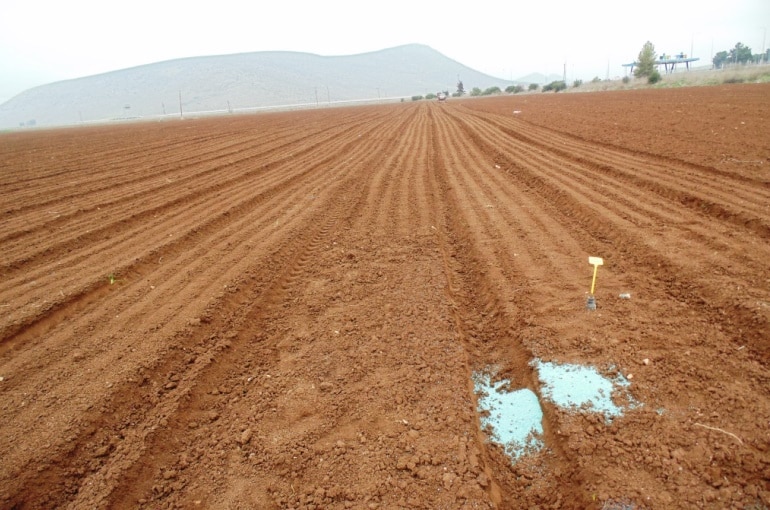
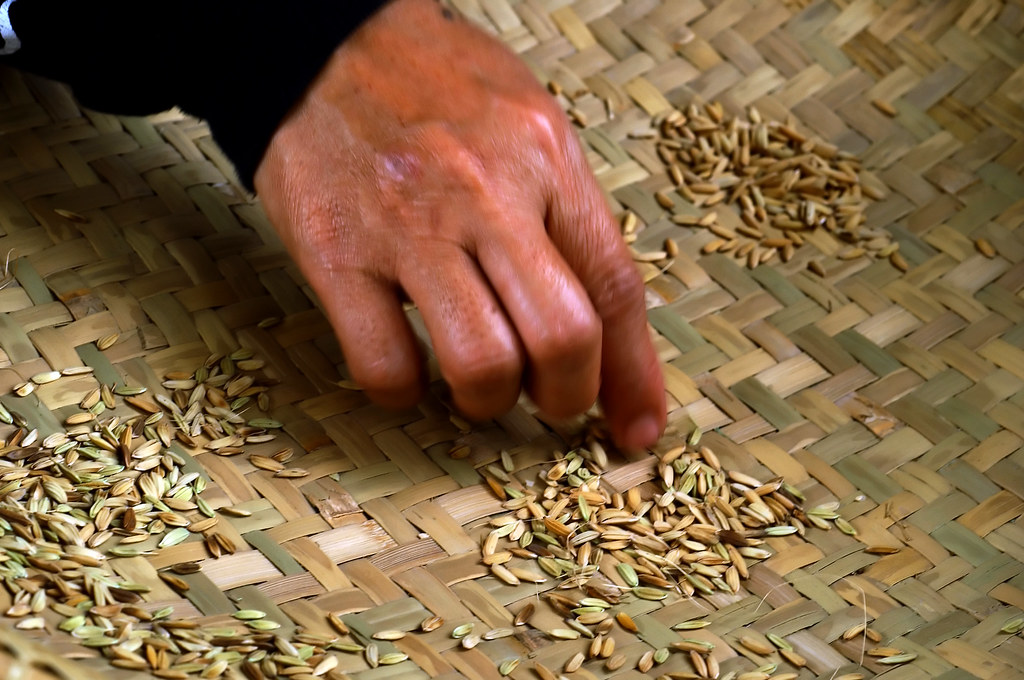
We live in changed times. There is not enough land for most farmers, which is why the majority of them are referred to as smallholder farmers.
They use simple tools like hand hoes and machetes since there is no sufficient space on their small farms for heavy machines like tractors and combine harvesters to move about doing any work.
Smallholder farmers struggle to produce different crops on the same plots of land one year after another which leads to soil degradation and low crop yields particularly when no sufficient manure is applied on the soil to replenish it.
A crop scientist, John Cumbers, writing in the online publication, Genetic Literacy Project, says “There are a thousand local variations in soil, weather, and farming practices, just as there are a thousand natural forces working against a crop at any given time.
Insects, weeds, and diseases evolve relentlessly to overcome whatever farmers throw at them.” Nearly 90 per fect of farmers are smallholder farmers, doing their work against all sorts of odds. The soil on their small plots is exhausted and only a few of them have the capacity to replenish it.Food production and income generation are declining. Yet the country’s population grows bigger as the years go by.
Technology and innovation must, therefore, be used under the circumstances to sustain food production and economic growth. Farmers must be assisted to nourish the soil and to plant seeds of crops that are high-yielding, stand up to drought, flower early, and are disease resistant and drought tolerant.
We will need livestock breeds that provide more milk, meat, and eggs and stop relying on indigenous breeds and varieties whose yield and performance no longer match the changed times we are in.
The truth is that we need exotic cattle to produce more milk and beef, and we need hybrid maize if we want to have sufficient maize flour and livestock feeds. It is the reason an increasing number of countries across the world are adopting biotech crops.
Mr Michael Ssali is a veteran journalist and a farmer
ssalimichaelj@gmail.com