1. Buying seedlings
Tissue culture banana seedlings have been proven to be of high quality and free of diseases.
2. Land condition and preparation
Your land must have the weather conditions that are suitable for bananas to grow well and thrive. Generally, from 800 meters above sea level and a minimum rainfall of 1000mm per annum that is evenly distributed, Given that tissue culture bananas are high yielding, you better not try to rely on rainfall. Put a plan to have an irrigation system in place to avoid disappointments.
3. Planting
Tissue culture plantlets are planted in pits that are 3 feet wide and 3 feet deep. Well-drained soil is mixed with well-composed dry manure. Basal planting fertilizer is then added especially DAP and a dose of nematicide to keep nematodes away. The banana pit is then stuffed with this mixture, and then the plantlets are planted 30 cm deep within the pit.
Soil firming should be done after placing the plantlet so that the roots can get into close contact with the soil. Planting holes should be spaced 3 meters apart, which translates to approximately 450 plantlets per acre.
4. Irrigation
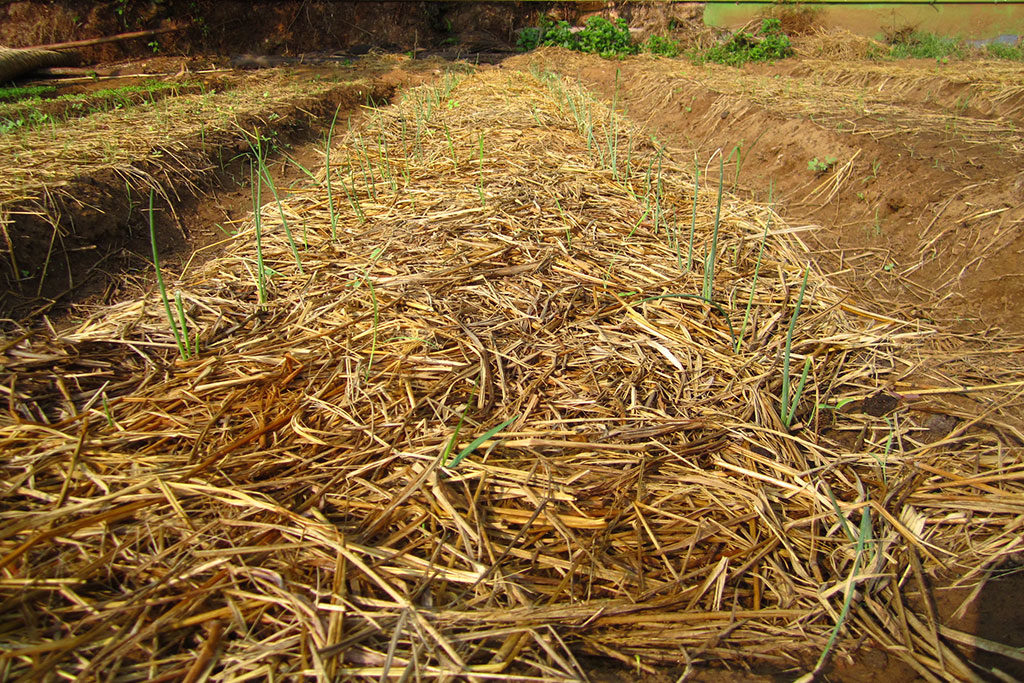
Irrigation should be done twice a week. Drip irrigation is preferred to avoid a lot of movements on the farm which could lead to the spreading of diseases and pests. Dry mulch should be placed around the base of the plantlet to prevent water loss through evaporation.
5. Pest and disease management
Tissue culture bananas are normally free from viral and bacterial infections. During planting, anti-nematode powder is applied to keep the nematodes way.
6. Suckers removal
A maximum of 4 suckers are recommended in one hole. Practice de-sucking frequently to prevent competition for space and nutrients.
7. Harvesting
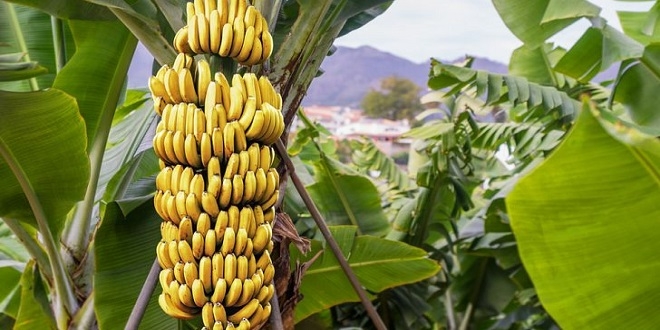
It takes between 15 to 18 months after planting for bananas to be ready for harvest. A light shiny look is an indicator that the bananas are ready for harvest. A stem of banana produces one bunch which weighs up to 95 kgs