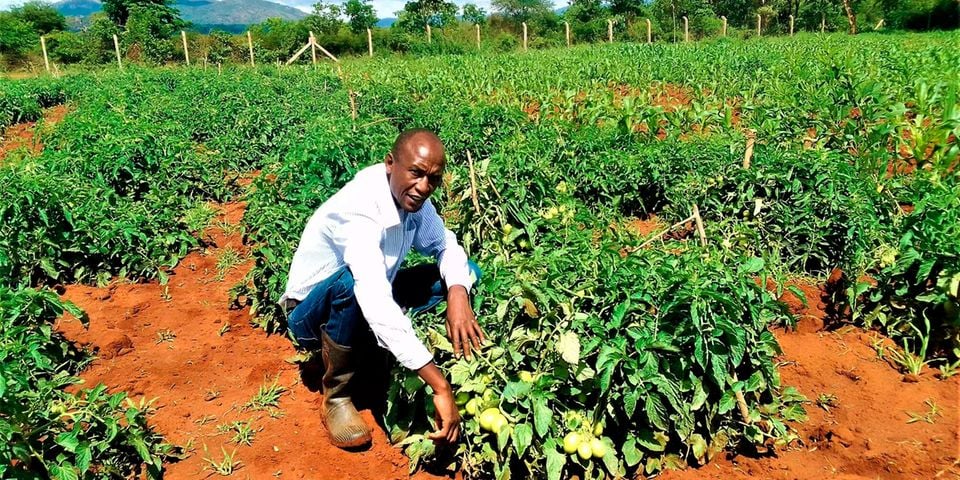
Patrick Mutiso, 46, has been practising mixed crop farming for almost three years. The Mutulani Secondary School teacher grows a variety of crops on his seven-and-a-half-acre land in Muani, Makueni County.
The farm is about five kilometres from Sultan Hamud, on the road to Kasikeu.
The teacher grows pawpaw, capsicum, maize, tomato, watermelon and many other crops. He also keeps livestock.
“The Covid-19 pandemic was a blessing in disguise for I took farming seriously. I started with pawpaws because I did not have water then,” says Mutiso, who uses goat droppings as manure and avoids commercial fertiliser.
“I used to get water from my neighbour’s well. I started with 240 papaya trees.”
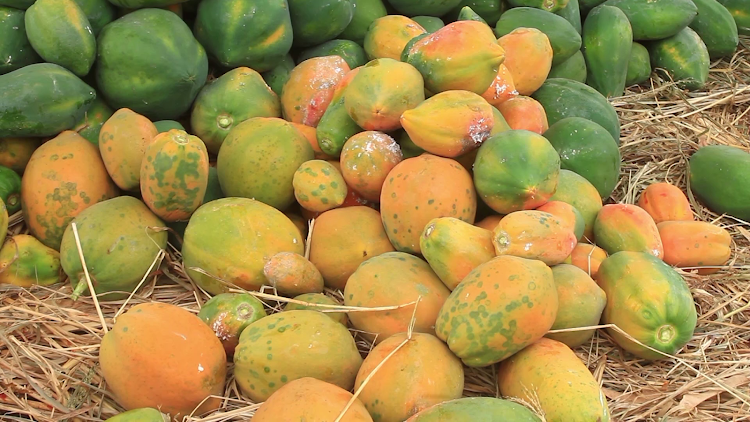
The teacher grows pawpaws in a zigzag system, with a spacing of three metres from one plant to another.
Mutiso grows the solo sunrise variety of papaya, which takes six months to mature and bear fruits. He bought papaya seedlings from a dealer in Salama at Sh70 each.
“I lost a number in the first few months due to drought,” the farmer says.
“I spent Sh15,000 to Sh18,000 on seedlings alone. My farmhand did the planting. But the water was on the other side. The soil in this area takes a lot of water. We watered the trees for nine months before they started producing fruits.”
Mutiso sells his pawpaws to friends who normally come to the farm.
Customers who buy on order to resell do not offer good prices, though.
One of the challenges Mutiso faces is attack by white flies. Fortunately, they are easily eradicated by spraying.
“They like the leaves and fruits but controlling them is not difficult,” he says, adding that his pawpaws have never been attacked by disease.
Birds pose another challenge. The fruits are a favourite of many species of small birds.
Mutiso prefers selling his pawpaws apiece rather than in weight.
He sells a fruit for Sh50 to Sh150. A pawpaw fruit can be as heavy as a kilo and a half.
The teacher grows big rock F1 variety of tomatoes too.
“I put them at a section of the farm that had been reserved for watermelons. I did not get enough melon seeds then but because I had made holes, I opted for tomatoes. I have around 500 plants,” says Mutiso, who adds that cutworms are the biggest threat to tomatoes.
He also has capsicum on a section of his farm. The teacher says there is ready market for capsicum, with most of his customers coming from Mlolongo and Nairobi.
In the beginning, he sold a kilo of capsicum at Sh45, but the price has doubled.
“After 2020, I tried growing capsicum and realised it was good,” he says.
Mutiso harvests about a tone of capsicums a week from land that is less than two acres.
“Capsicum is a soft crop but resistant to infection. The main challenge for capsicum growers is cold – usually in June and July,” he says, adding that field hygiene is important.
Mutiso never gave up on watermelons. He started growing them in 2020 and recently harvested 30 tonnes. Like capsicum, most of the watermelon customers are from Mlolongo and the capital city.
The farmer says the Sukari F1 variety of watermelon thrives in Muani. One has to spray the crop to prevent pests and fungi.
Mutiso, who sank a well in June and stopped relying on his neighbour, also grows maize – a crop that matures after three months.
He sprays the crop to kill the maize stalk borer.
“I intend to make this farm self-sustaining,” he says.
Carol Mutua, a crop specialist, says growing different crops has a lot of benefits, including maximum utilising of land and increased income.
She says growing different crops also reduces incidences of pests and diseases.