Drylands stretch across 80 per cent Kenya and hold the potential to transform forestry. Despite this, commercial dryland forestry in Kenya is negligible. For the first time, drylands forestry has been fully endorsed by authorities, with government targets aiming to establish five million acres of agroforestry woodlots in arid and semi-arid areas by 2032.
Most dry regions are sparsely populated, with vast tracts of land that can’t be used for traditional activities.
According to Swift Geospatial’s site species matching tool, there are 11.4 million acres of suitable arid and semi-arid land in Kenya where woodlots, or agro-forestry plantations, can be established.
For drylands counties, a growing forestry industry would support local wood value chains, generating jobs and diversifying economic activities.
The Kenya Kwanza manifesto outlined Mukau (Melia volkensii) and Acacia (Acacia tortilis) as two indigenous species with the capacity to drive veritable afforestation and commercial wood production, creating opportunities.
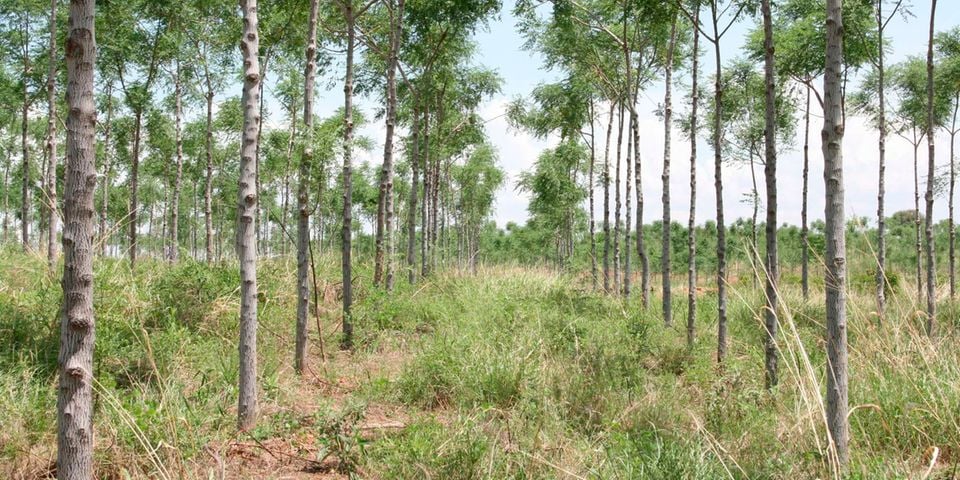
While fast-growing Acacia can be used as biofuel and fodder, the structural properties of Melia hardwood are comparable to mahogany, creating opportunities for domestic high value timber for construction and furniture.
Excellent agroforestry
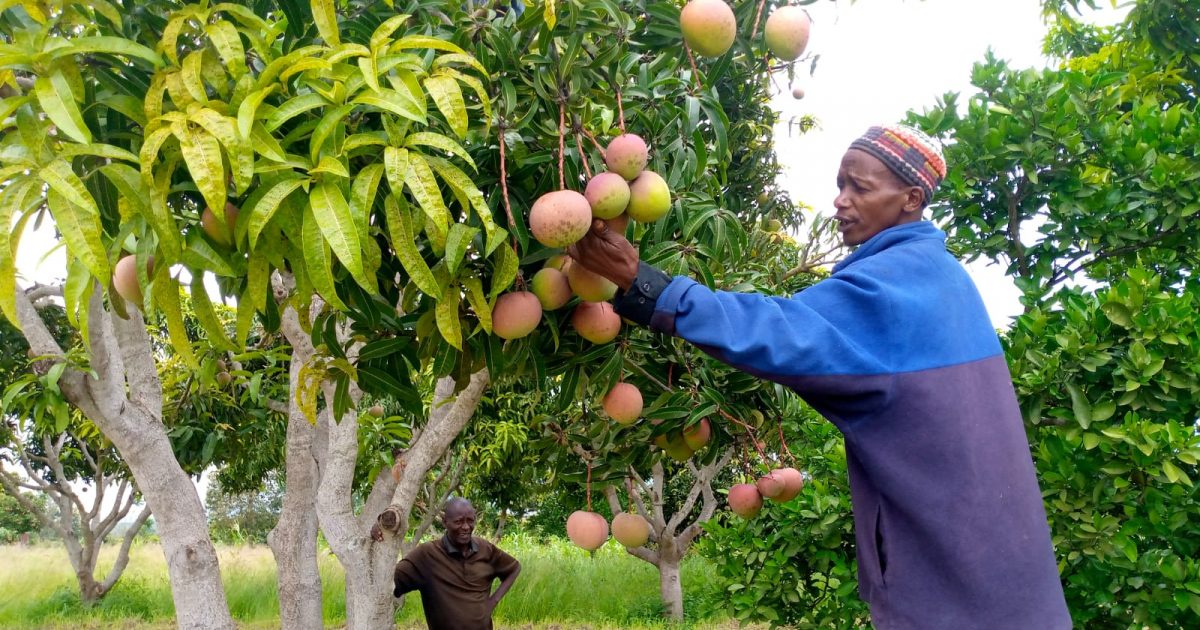
Elsewhere, Mukau trees have excellent agroforestry and silvo-pastoral properties that support the growth of other crops and grasses in animal keeping regions.
Recent studies show that low density spacing (7x7m), interspersed with other crops or grasses, yield the most profits.
Farmers can expect profits of up to Sh1,483,059 per hectare on a 15-year rotation.
While there are immense opportunities, investment and grower interest has been hampered by several challenges. According to ICRAF studies, survival rates of Melia seedlings are particularly low, at 32 per cent in Machakos, 43 in Makueni and 53 per cent in Kitui.
This is primarily due to free roaming livestock that destroy seedlings. Soil quality is also a key issue, with most dry counties having a “hard pan”, where soil hardens to such an extent that water and roots are no longer able to penetrate the surface. This limits the survival of seedlings.
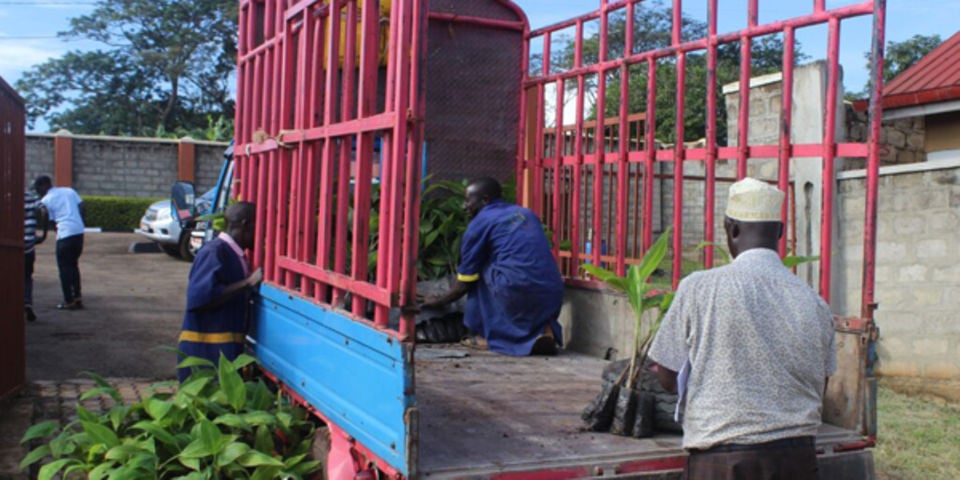
Finally, access to quality seedlings is limited by unattainably high costs. Improved ‘F1’ Kefri seedlings are in short supply and cost Sh70, amounting to roughly Sh5,600 per acre if 80 trees are planted, precluding small scale farmers from accessing the opportunity.
To realise the opportunity of drylands forestry, we need to address the barriers. Policy solutions are particularly powerful and hold the potential to rapidly transform the sector.
To increase survival rates, dry counties need community sensitisation and by-laws to establish the rights of livestock players and farmers, ensuring seedlings aren’t destroyed by grazing, but the rights of land users are respected.
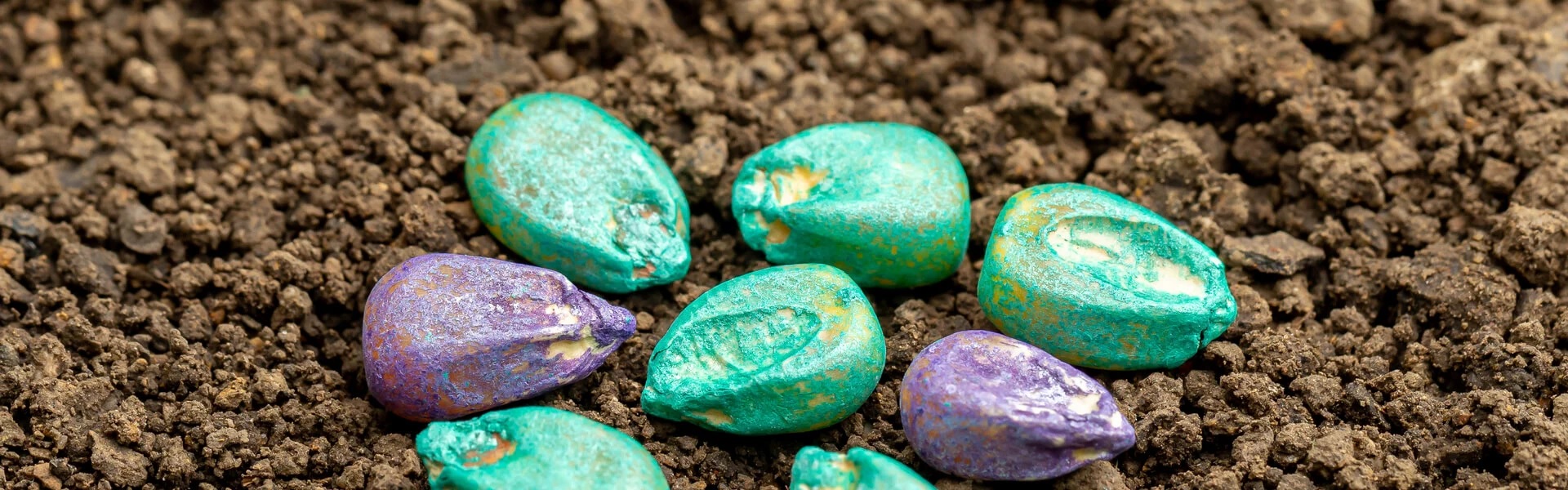
Kefri orchards have the capacity to bring a greater volume of F1 seed to the market, increasing supply and lowering costs. Research is needed into the best germination methods to increase survival.
Large woodlots
Counties need to develop a regulatory environment that permits investor land access for the establishment of large woodlots and plantations.
Giving county governments the autonomy to make legislative/policy decisions will enable them support investors in a way that works with local systems.
Once land has been made available, counties need to work with the national government to use pre-existing networks, as well as tapping into private and DFI impact driven investment.
Drylands are an underutilised part of Kenya’s commercial forestry strategy.
Shifting government objectives and an abundance of available land have made this an excellent time to invest in dryland projects.
However, barriers to entry need to be addressed.
Protecting farmers, improving access to seed and creating a clear framework for investment will create safe environment for growers and investors, allowing county governments, communities and farmers to make use the most of the drylands.
Elijah N. Munyi is the Intervention Manager -Policy and Sector Insights at Gatsby Africa, Commercial Forestry Programme. Charles Kisima is the Senior Facilitator Technical Services at Gatsby Africa, Commercial Forestry Programme