

Dairy farmers in Tharaka Nithi County are pleading for a Sh280 million government bailout to revive the collapsed Wega Milk Cooperative Society, a once-thriving processor brought down by a bitter legal battle with Brookside Dairy, mounting debts, and years of internal leadership disputes.
The cooperative, which served thousands of farmers in Maara Sub-county, ceased operations entirely in 2024 after financial challenges spiralled beyond recovery. At a stakeholder meeting held at the Deputy County Commissioner’s grounds in Marima, farmers joined clergy, youth leaders, and Njuri Ncheke elders to appeal to Maara Member of Parliament Kareke Mbiuki to help secure the revival package from the national government.
The numbers paint a grim picture of the collapse. Wega Milk currently owes an estimated Sh83 million in various debts, including approximately Sh50 million to Brookside Dairy following an adverse court ruling. Farmers say the cooperative once collected more than 22,000 litres of milk daily at its peak and had over 8,000 active members. Today, the processing plant stands silent.
According to interim committee chairman Paul Ngai, the cooperative’s troubles began long before the court case. He alleged that previous management created deep divisions among farmers through irregular milk measurements, theft of milk cans, and tampering with milk quality readings. The resulting distrust drove farmers away.
“The disputes weakened the leadership and farmers started forming private milk collection centres. Many farmers later shifted to other processors such as Brookside and Daima,” Ngai told the gathering.
The situation worsened when Wega signed a contract with Muthiru Cooperative Society. Brookside Dairy, which had its own supply arrangement with Wega, sued the society for breach of contract after milk deliveries stopped. Brookside won the case, leaving Wega with a Sh50 million liability that the collapsed cooperative has no means of paying.
Interim committee secretary Mary Muthoni said the former management failed to address the crisis as it unfolded, allowing milk production to decline steadily until the plant could no longer operate viably. “We had over 8,000 active members and collected over 22,000 litres daily at our peak before operations deteriorated,” Muthoni said.
The collapse of Wega Milk represents a familiar pattern in Kenya’s dairy cooperative sector. Internal governance failures, opaque milk payment systems, and poorly negotiated supply contracts have destroyed several farmer-owned processors across the country, often leaving smallholders with nowhere to sell their milk except to the same private companies that the cooperatives were formed to compete against.
For farmers in Maara, the irony is painful. Many joined Wega specifically to escape the price volatility and perceived exploitation of private processors. Now, having lost their own cooperative, most have returned to selling milk to Brookside and Daima, the very companies Wega was meant to offer an alternative to.
The Sh280 million revival package farmers are requesting would need to cover the outstanding Sh50 million court judgment, settle other creditors, rehabilitate the processing plant, and provide working capital to restart milk collections and payments. Whether the national government will approve such a request remains uncertain, particularly given the government’s recent insistence that cooperatives must demonstrate sound governance before receiving state support.
MP Kareke Mbiuki, who attended the Marima meeting, did not commit immediately to the Sh280 million request but acknowledged the cooperative’s importance to Maara’s dairy farmers. He said he would engage the Ministry of Cooperatives and the State Department for Livestock Development to explore possible interventions.
For now, Wega’s 8,000 former members watch their idle plant and wonder if their cooperative can ever rise again. The interim committee has promised to pursue restructuring, but without a significant capital injection, farmers acknowledge that revival remains a distant hope.

On Offer

Product List
-
 Golden Peach Seedlings Original price was: KSh 1,200.00.KSh 800.00Current price is: KSh 800.00.
-
 Mulberry Seedlings Original price was: KSh 350.00.KSh 200.00Current price is: KSh 200.00.
-
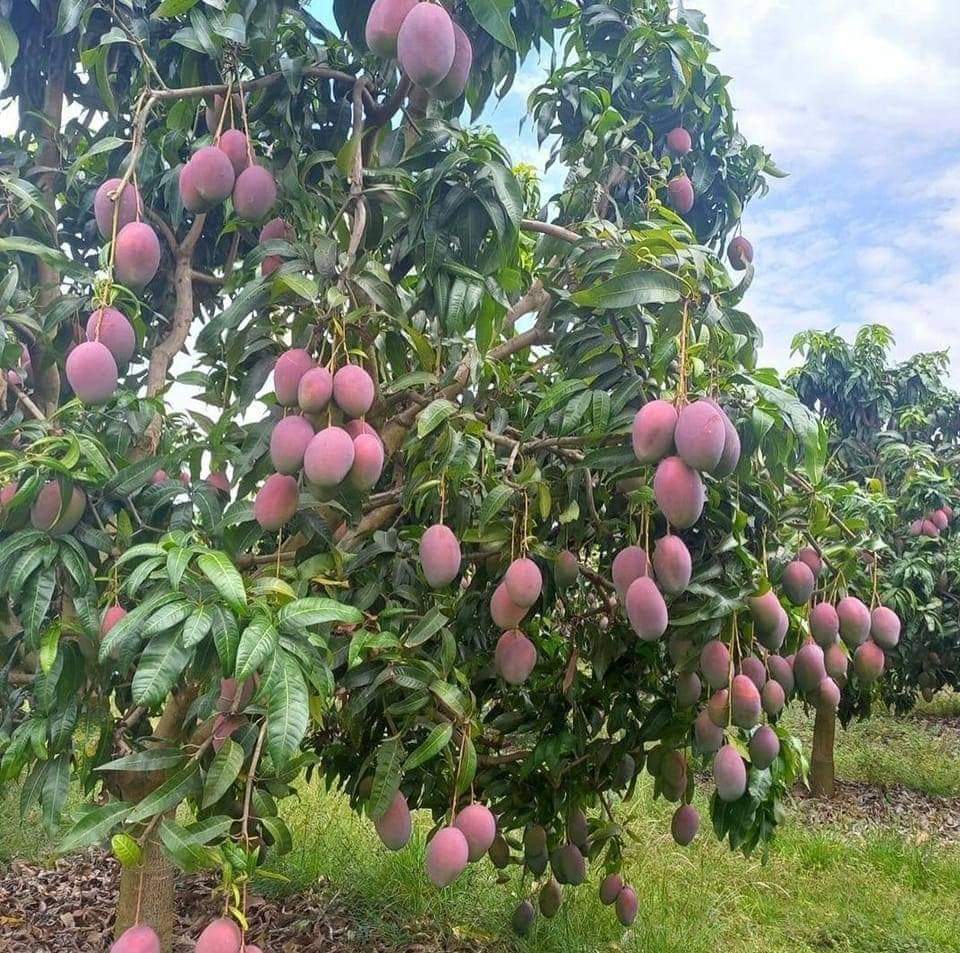
 Grafted Mango Seedlings Price range: KSh 150.00 through KSh 600.00
-
 Brazilian Cherry Seedlings Original price was: KSh 800.00.KSh 600.00Current price is: KSh 600.00.
-
 Lemon Seedlings Price range: KSh 100.00 through KSh 600.00
-
 Loquat Seedlings Original price was: KSh 250.00.KSh 100.00Current price is: KSh 100.00.
-
 Easy Gro Starter 1kg Original price was: KSh 855.00.KSh 625.00Current price is: KSh 625.00.
-
 Persimmon Seedlings Original price was: KSh 1,800.00.KSh 1,500.00Current price is: KSh 1,500.00.
-
 Grafted Apple Seedlings Original price was: KSh 1,000.00.KSh 600.00Current price is: KSh 600.00.
-
 OCCASION STAR 200SC Price range: KSh 930.00 through KSh 14,510.00