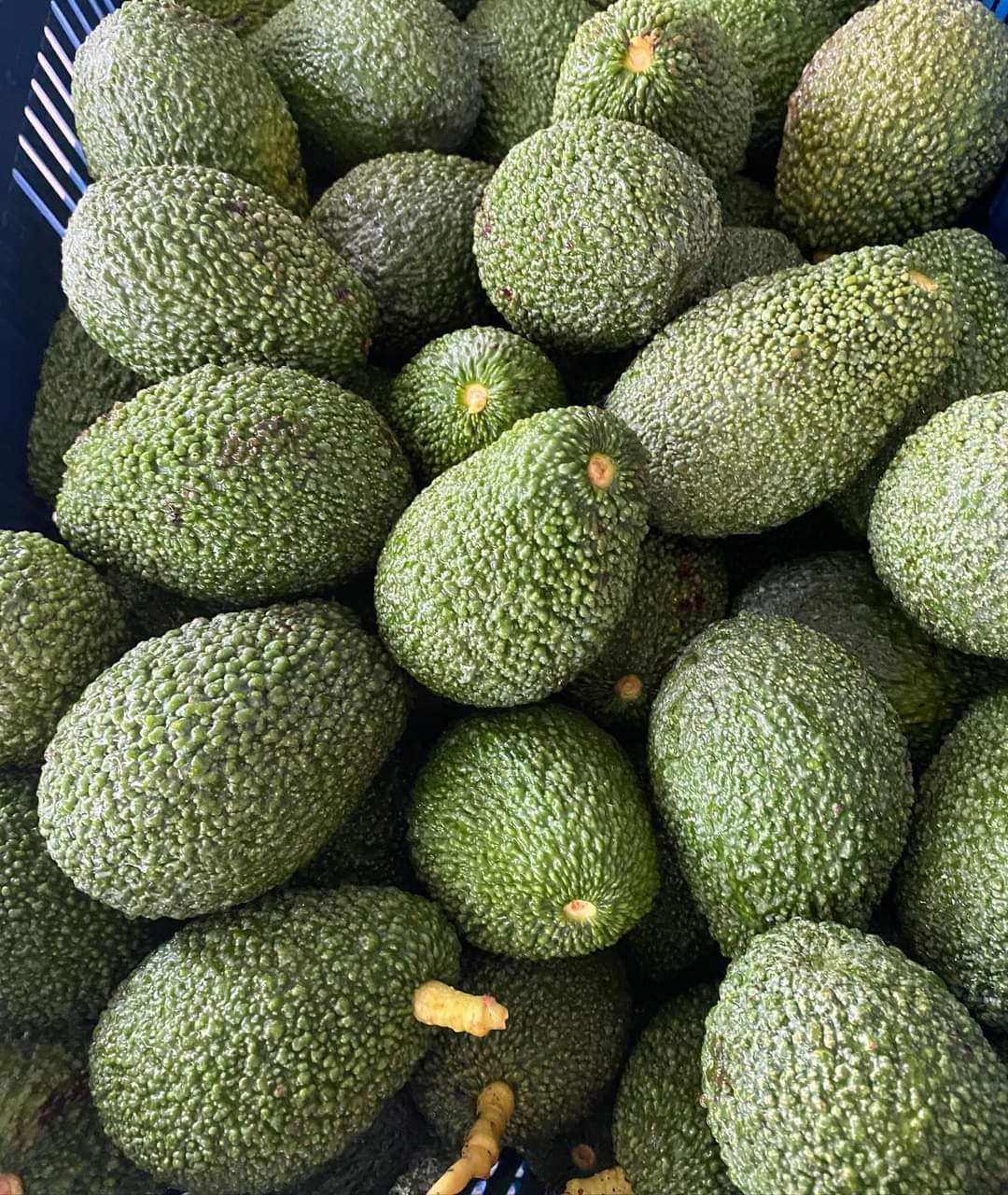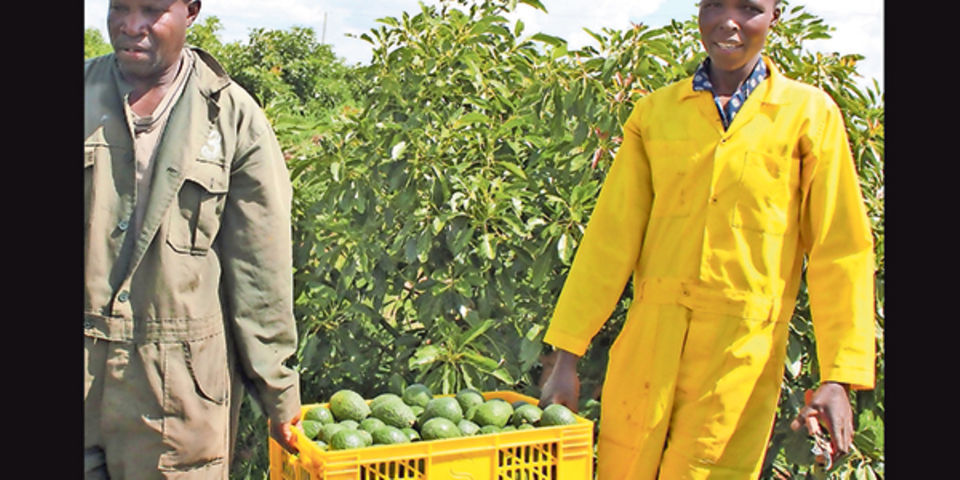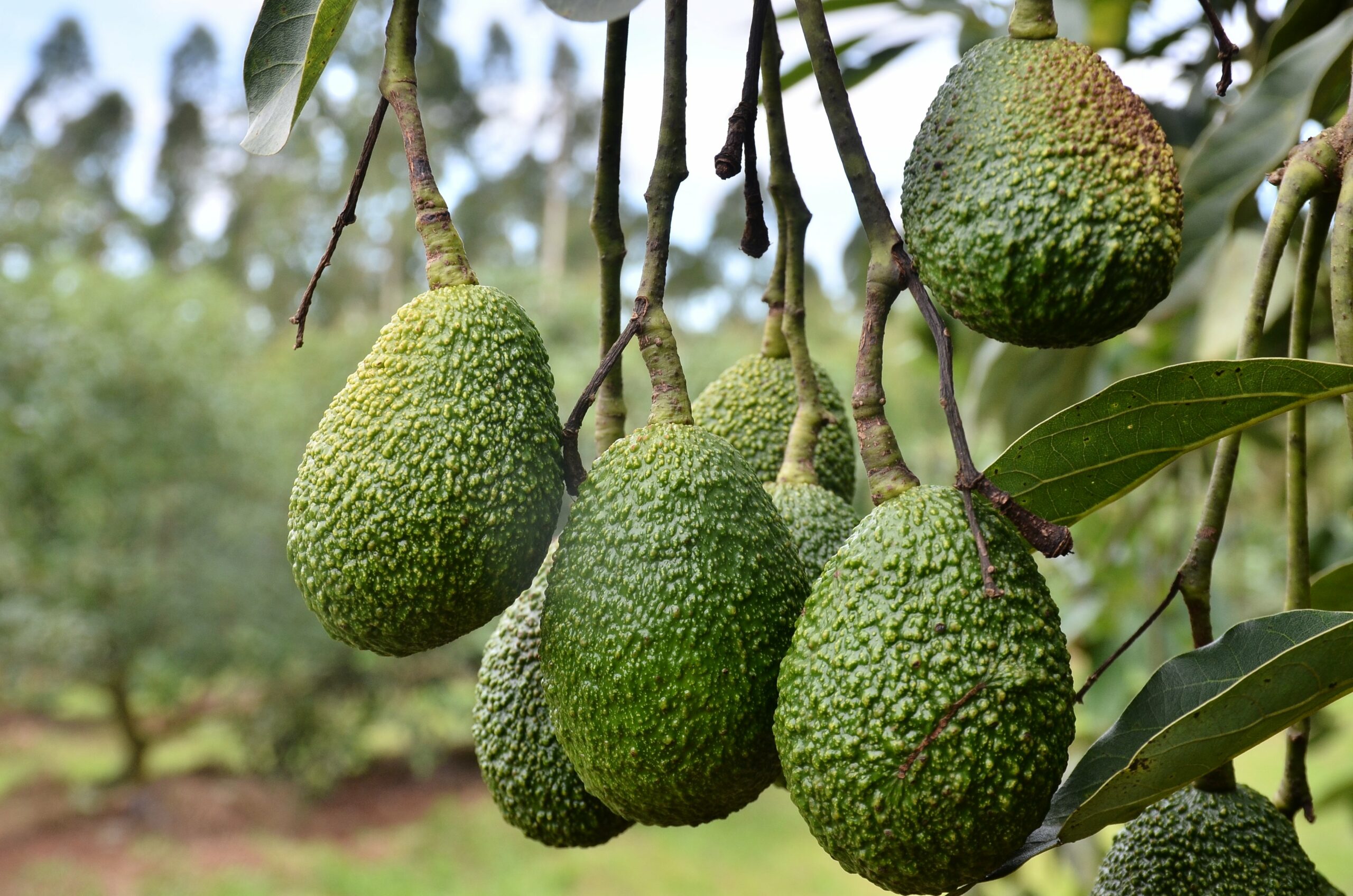
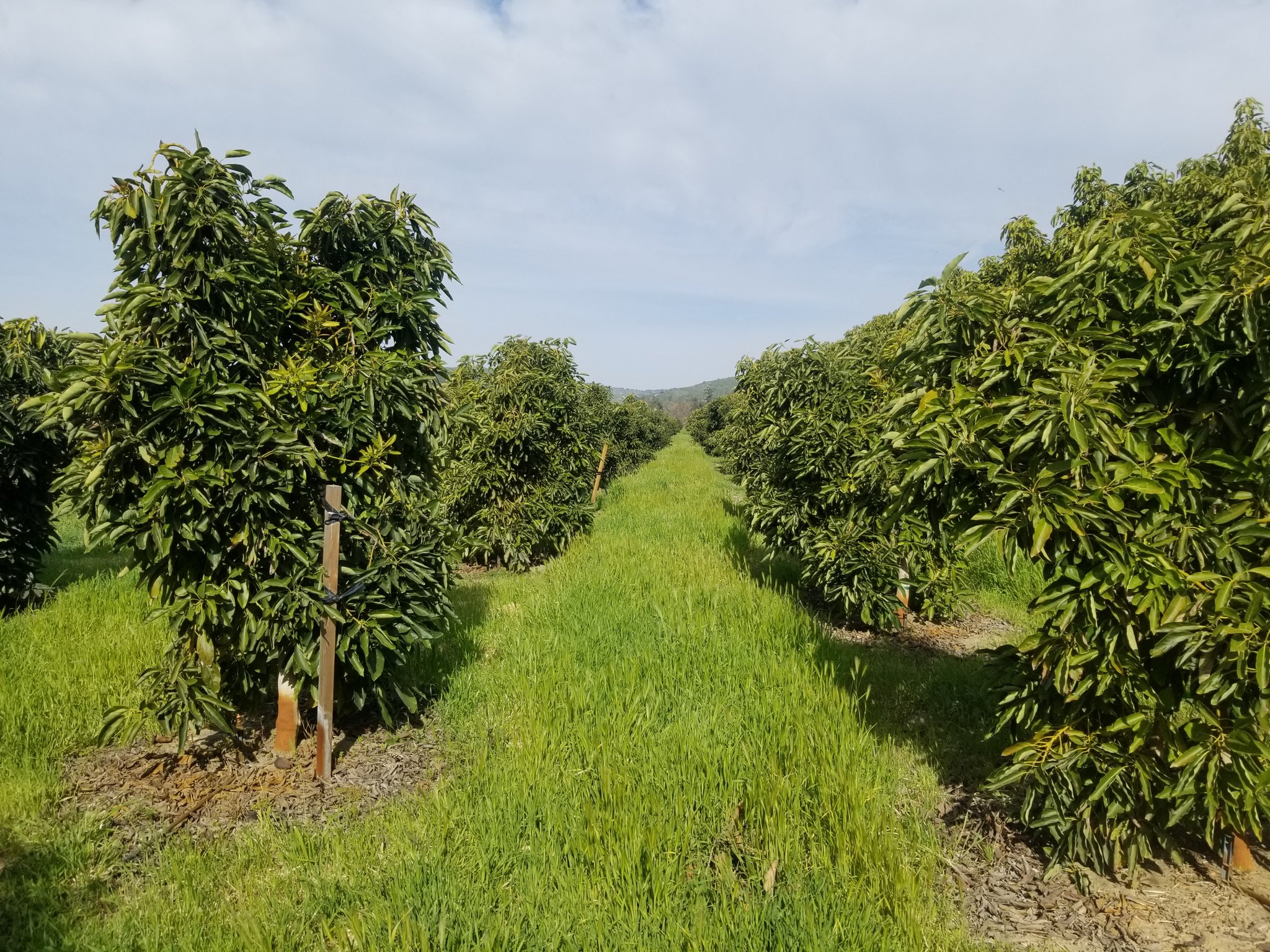
Avocado farming is a growing industry in Kenya. The Hass avocado variety is the most popular in Kenya, and it is known for its high quality and taste. The demand for Hass avocados is increasing, both domestically and internationally. This is due to the health benefits of avocados, as well as their versatility in cooking.
There are a number of factors that are contributing to the growth of the Hass avocado industry in Kenya. These include:
- The favorable climate for avocado cultivation. Kenya has a warm, humid climate that is ideal for growing avocados.
- The availability of land. Kenya has a large amount of land that is suitable for avocado cultivation.
- The growing population. Kenya has a rapidly growing population, which is increasing the demand for food.
- The government’s support for the avocado industry. The Kenyan government is providing support for the avocado industry through a number of initiatives, such as providing subsidies for avocado seedlings and training farmers on avocado cultivation techniques.
The future of Hass avocado farming in Kenya is very bright. The industry is expected to continue to grow in the coming years, due to the factors mentioned above. This growth will create new opportunities for farmers, businesses, and the Kenyan economy as a whole.
Here are some of the benefits of Hass avocado farming in Kenya:
- High profit potential: Avocados are a high-value crop, and they can generate significant profits for farmers.
- Low input costs: Avocado trees are relatively low-maintenance, and they do not require a lot of water or fertilizer.
- Diversification opportunity: Avocados can be a valuable addition to a diversified farming operation.
- Climate resilience: Avocado trees are relatively tolerant of a wide range of climates, making them a good option for farmers in a variety of regions.
- Export potential: Kenya is well-positioned to export avocados to international markets.
If you are considering starting an avocado farm in Kenya, there are a few things you need to do to get started. First, you need to choose a suitable location for your farm. Avocado trees need full sun and well-drained soil. You also need to purchase grafted hass avocado seedlings from a reputable nursery. Grafted seedlings are more resistant to diseases and pests, and they will produce more fruit than non-grafted seedlings.
Once you have chosen a location and purchased your seedlings, you need to prepare the soil. The soil should be well-drained and free of rocks. You may need to add compost or manure to the soil to improve its fertility.
After the soil is prepared, you can plant your seedlings. The seedlings should be planted about 10 feet apart. You need to water your seedlings regularly, especially during the first year. You also need to fertilize your trees once a year.
Avocado trees typically begin to bear fruit after about 3 years. The fruit will be ready to harvest when it is fully ripe. You can harvest the fruit by cutting it from the tree with a sharp knife.
Avocado farming can be a profitable and rewarding business. If you are willing to put in the time and effort, you can be successful in this industry.
Here are some of the challenges that avocado farmers in Kenya face:
- Diseases and pests: Avocado trees are susceptible to a number of diseases and pests, such as anthracnose, black spot, and avocado brown spot. These diseases and pests can damage trees and reduce crop yields.
- Climate change: Climate change is a major threat to avocado farming in Kenya. The rising temperatures and changing rainfall patterns are making it difficult for avocado trees to thrive.
- Inadequate infrastructure: Kenya’s infrastructure is not well-suited for avocado farming. The roads are often poor, and there is a lack of storage facilities and cold chains. This makes it difficult to transport avocados to markets and export them to international markets.
Despite these challenges, the future of Hass avocado farming in Kenya is very bright. The industry is expected to continue to grow in the coming years, due to the factors mentioned above. This growth will create new opportunities for farmers, businesses, and the Kenyan economy as a whole.
Here are some of the things that can be done to support the growth of the Hass avocado industry in Kenya:
- Invest in research and development: The government and private sector should invest in research and development to develop new varieties of avocado trees that are resistant to diseases and pests.
- Improve infrastructure: The government should improve the country’s infrastructure, including roads, storage facilities, and cold chains. This will make it easier to transport avocados to markets and export them to international markets.
- Provide training and extension services: The government and private sector should provide training and extension services to farmers on avocado cultivation techniques. This will help farmers to improve their yields and profitability.
- Promote the consumption of avocados: The government and private sector should promote the consumption of avocados in Kenya. This will increase the demand for avocados and create new opportunities for farmers.
The future of Hass avocado farming in Kenya is very bright. The industry is expected to continue to grow in the coming years, due to the factors mentioned above. This growth will create new opportunities for farmers, businesses, and the Kenyan economy as a whole.
Here are some of the ways that avocado farming can benefit Kenya:
- Increased agricultural productivity: Avocado farming can help to increase agricultural productivity in Kenya. Avocado trees are relatively high-yielding, and they can be grown in a variety of climates. This makes them a good option for farmers in Kenya, where the climate is often variable.
- Improved livelihoods: Avocado farming can help to improve the livelihoods of farmers in Kenya. Avocados are a high-value crop, and they can generate significant profits for farmers. This can help to improve the standard of living for farmers and their families.
- Job creation: Avocado farming can help to create jobs in Kenya. The industry requires a variety of workers, including farmers, harvesters, packers, and shippers. This can help to reduce unemployment in Kenya and improve the economy.
- Foreign exchange earnings: Avocado farming can help to earn foreign exchange for Kenya. Avocados are a valuable export crop, and they can help to improve the country’s balance of trade. This can help to boost the economy and improve the standard of living for Kenyans.
Overall, avocado farming is a promising industry for Kenya. The industry has the potential to increase agricultural productivity, improve livelihoods, create jobs, and earn foreign exchange. The government and private sector should support the growth of the avocado industry in Kenya to reap these benefits.