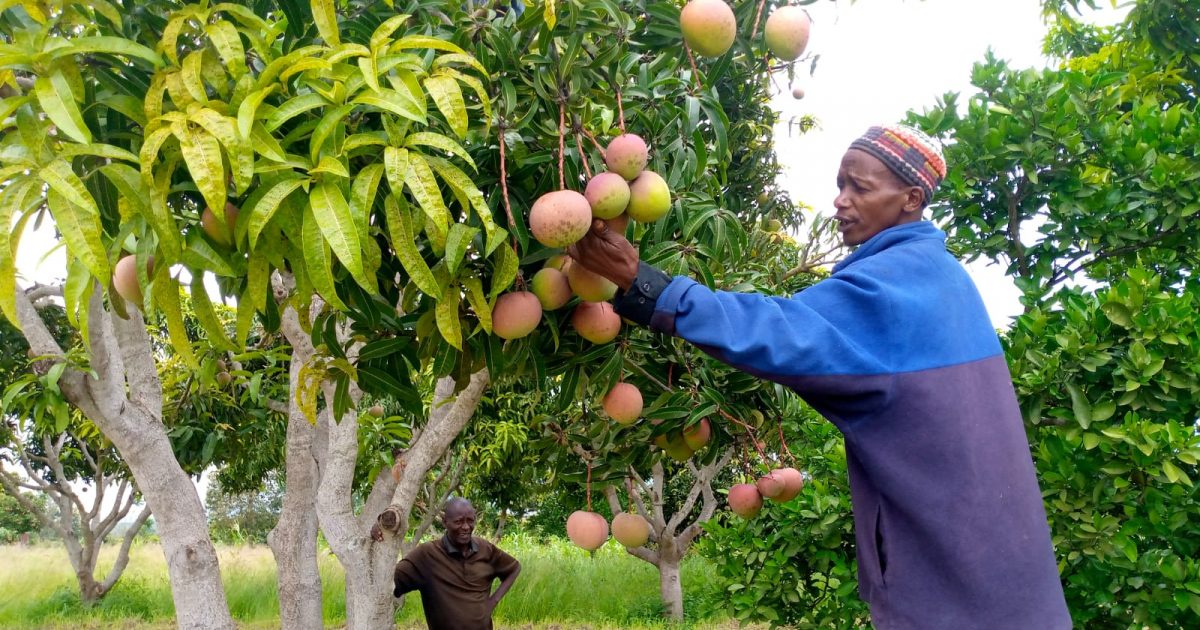
Apple mango farming in Kenya is a profitable venture due to the high demand for mangoes locally and internationally. It is popular for its sweet taste, juicy texture, and bright yellow color.
To start apple mango farming in Kenya, you need to choose a suitable location with well-drained soil and access to irrigation. The ideal temperature for apple mango farming is between 20-28 degrees Celsius, and the mango trees require adequate sunlight and water to grow.
In terms of propagation, apple mangoes can be grown from seeds or grafted plants. Grafted plants are usually preferred as they have a higher yield and produce fruits faster.
Apple mangoes usually take about 3-4 years to mature and start producing fruits. The trees can produce up to 1000 fruits per tree per season, depending on the management practices used. Proper pruning, fertilization, and pest control measures are essential for good yield.
Apple mangoes are usually harvested when they are mature but still firm. The mangoes are then ripened naturally or artificially before they are sold. In Kenya, the main market for apple mangoes is Nairobi, and the fruits are usually sold in markets, supermarkets, and exported to other countries.
Apple mango farming in Kenya can be a profitable venture with proper management practices. However, farmers need to be aware of the challenges such as pests and diseases and market fluctuations that come with the business.
To plant apple mangoes in Kenya, follow these steps:
- Select a suitable site: Choose a site with well-drained soil and access to irrigation. The site should have adequate sunlight and be sheltered from strong winds.
- Prepare the land: Clear the land of any weeds, rocks, or debris. Prepare the planting holes by digging them to a depth of about 60cm and width of 60cm.
- Obtain planting materials: Obtain grafted apple mango seedlings from a reputable nursery. Grafted seedlings are preferred as they have a higher yield and produce fruits faster than seed-grown mangoes.
- Plant the seedlings: Place the seedlings in the planting holes, ensuring that the soil is firmly packed around the roots. Water the seedlings immediately after planting.
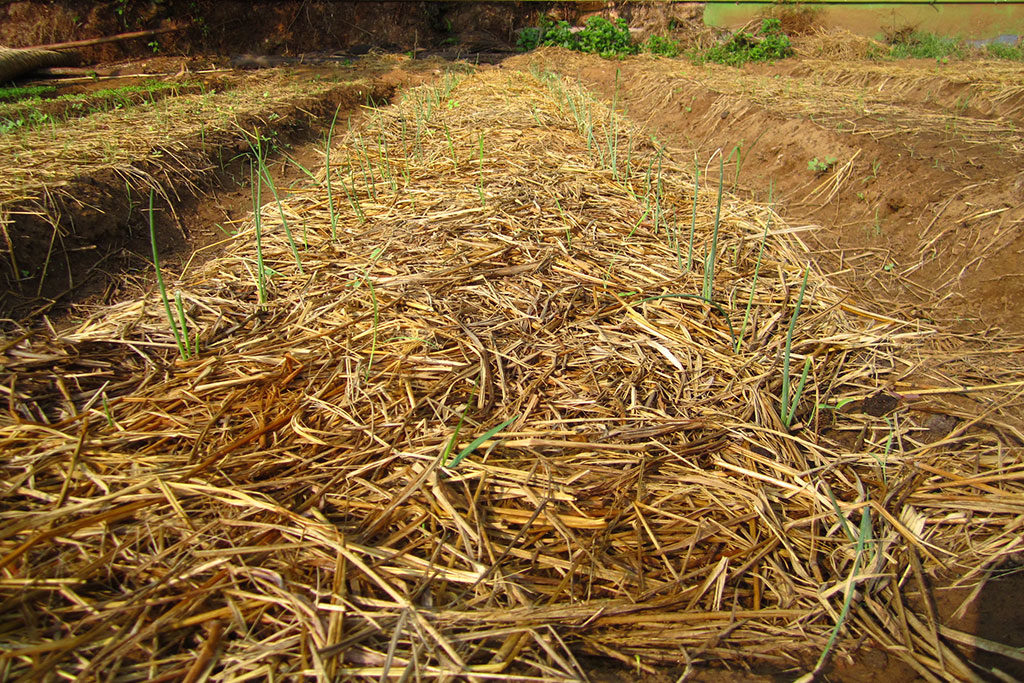
- Mulch the seedlings: Cover the soil around the seedlings with organic mulch, such as dried leaves or grass. This helps to retain soil moisture and suppress weed growth.
- Prune the seedlings: After planting, prune the seedlings to about 60cm above the ground level. This helps to encourage new growth and branching.
- Fertilize the seedlings: Apply organic or inorganic fertilizers to the seedlings to promote healthy growth. Follow the recommended application rates.
- Water the seedlings: Water the seedlings regularly, especially during the dry season. Young seedlings require more frequent watering than mature trees.
- Control pests and diseases: Monitor the seedlings regularly for pests and diseases, and take appropriate control measures to prevent damage.
With proper care and management, your apple mango seedlings will grow into healthy trees that will produce high-quality fruits.
Suitable Conditions
Apple Mango farming in Kenya requires specific conditions for successful growth and fruit production. These conditions include:
- Climate: Apple Mangoes thrive in a warm climate, with temperatures ranging between 24-30 degrees Celsius during the day and 15-20 degrees Celsius at night. The ideal rainfall range is between 750-1250 mm per annum, with well-distributed rainfall throughout the year. High humidity levels can lead to fungal diseases, so it’s essential to ensure proper air circulation.
- Soil: Apple Mangoes grow well in well-drained, loamy soils with a pH range of 6.0 to 7.5. The soil should be rich in organic matter and have good water retention capacity. Soils with high salinity levels should be avoided as they can hinder the growth of the trees.
- Altitude: Apple Mangoes grow well in areas that are between 300 and 1200 meters above sea level. The trees may not do well in higher altitudes because of the cold weather.
- Sunlight: Mangoes require a lot of sunlight for successful growth and fruit production. Therefore, they should be grown in areas with at least six hours of sunlight per day.
- Water: Apple Mango trees require consistent and adequate water throughout the growing season. Irrigation should be done when rainfall is inadequate, especially during the flowering and fruiting stage.
- Pest and disease control: Apple Mango trees are susceptible to pests and diseases that can lead to reduced fruit quality and yield. It’s essential to implement proper pest and disease control measures such as regular spraying of insecticides and fungicides.
- Pollination: Mangoes require cross-pollination to produce fruit. Therefore, it’s essential to have pollinators such as bees and flies around the farm.
In conclusion, the above conditions are essential for successful Apple Mango farming in Kenya. Farmers should ensure that they follow the recommended practices for soil preparation, irrigation, pest and disease control, and harvesting to get the best results.