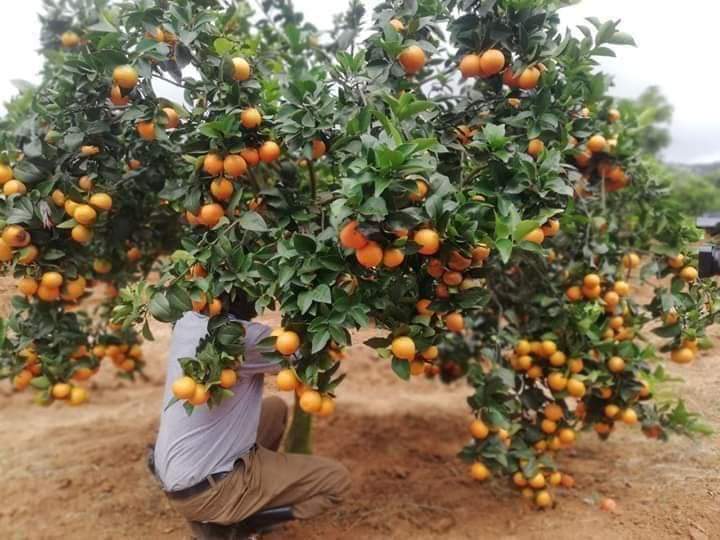
Pixie fruit is a citrus fruit that is fleshy, easy to peel, and high in nutritional value. The
crop has acquired popularity in Kenya, with markets extending to the Eastern and Coastal
regions, including Machakos, Kitui, Kisumu, and Mombasa. The yellow-orange fruit is
continually misperceived as a standard orange, but rare fruits produce higher profits. Pixie fruits
are yellow-orange in hue, seedless, facile to peel, delicious, and incredibly healthy. In Kenya, we
have yet to fulfill both the domestic and export markets.
Climatic conditions
Pixie oranges are a subtropical crop that requires certain conditions for growth for
optimal development. Some of the best conditions for cultivating pixie oranges in Kenya include:
1. Pixie oranges thrive in warm climates with moderate humidity. They are ideally suited to
climates with an average yearly temperature of 20-28°C.
2. Pixie oranges thrive in well-drained, organic-rich soils. The optimal pH range for pixie
orange trees is 5.5 to 7.5.
3. Pixie oranges need constant irrigation, particularly in the dry season. Irrigation is
necessary to guarantee that the plants receive adequate water.
4. Pixie orange trees need full sun to generate a high output of fruit. Farmers ought to plant
trees in areas that get lots of sunlight during the day.
Benefits of Growing Pixie Oranges in Kenya
Pixie oranges are highly valued, and some of the advantages that Kenyans enjoy are:
a. High demand – These citrus fruits are in great demand both locally and globally due to their distinct flavor and nutritional worth. This makes them a lucrative crop for farmers trying to make
a solid living.
b. Nutritional value: The aforementioned fruits are high in vitamins and minerals, such as
vitamin C, folate, and potassium. This renders them a nutritious snack for customers.
Pixie tomatoes are an integral agribusiness in Kenya, and they are extremely lucrative for
the causes stated above. Furthermore, commercial conditions favor the pixie tomato in Kenya.
Currently, the market for these luscious fruits is extremely high due to their superior quality and
sweetness when compared to other varieties of orange. However, supply is still extremely limited
because most farmers only recently found this breed. That suggests why pixie prices remain
exceedingly costly even in local grocers.