Category
Recent Post
- Bacterial vs. Fungal vs. Viral Diseases in Fruit Crops: How Farmers Can Tell the Difference
- How Poor Pruning Increases Disease Pressure in Fruit Orchards
- Keeping Fruits Fresh Longer: A Practical Guide to Preventing Post-Harvest Diseases
- Kenya Charts New Export Strategy as Meat Industry Leaders Convene in Nyeri
- Scab Disease in Apples and Pears: Practical Prevention Tips for Kenyan Farmers
- LBDA Targets 20,000 Acres of Rice as Ondago Records Historic First Commercial Harvest
- Watering Wisely: How Irrigation Practices Influence Fruit Tree Diseases in Kenya
- Brown Rot Disease in Stone Fruits: A Practical Guide for Kenyan Farmers to Protect Peaches, Plums, Apricots, and Nectarines
- Sigatoka Disease in Bananas: A Practical Guide to Protecting Your Crop from Heavy Yield Losses
- Papaya Ringspot Virus: How to Identify, Prevent, and Manage One of Papaya’s Most Destructive Diseases

What You Need To Get Started
Fish Farming
1. Secure a Land – Any location is good since fish doesn’t cause any environmental disturbance.
Look for land where you can get it cheap and buy. Depending on the capacity you wants to operate
on, half plot of land is just good enough for average fish farm. However, you may go for something bigger like full
plot or two if you can afford it probably for convenience sake. If you already have a compound
with leftover space you thing can accommodate two or three ponds, you may use it.
2. Construct Ponds – You need to engage the service of expert pond construction engineer or you
go to another fish farm to get the specification and construction requirements. The plumbing work
must be properly done to ensure proper drainage.
3. Dig a Borehole – Adequate water supply is the lifeblood of fish farm and lack of it may result to
disaster because water need to be changed on regular interval. Naturally available sources of water
such as borehole and river water is the most suitable. Rain water and tap water from chemically treated source is not recommended for fish cultivation.
4. Overhead Tank – This is the water reservoir from which water is supplied to your ponds. This
tank has to be connected to your ponds through plumbing system to make it convenient for water to flow into your ponds when needed.
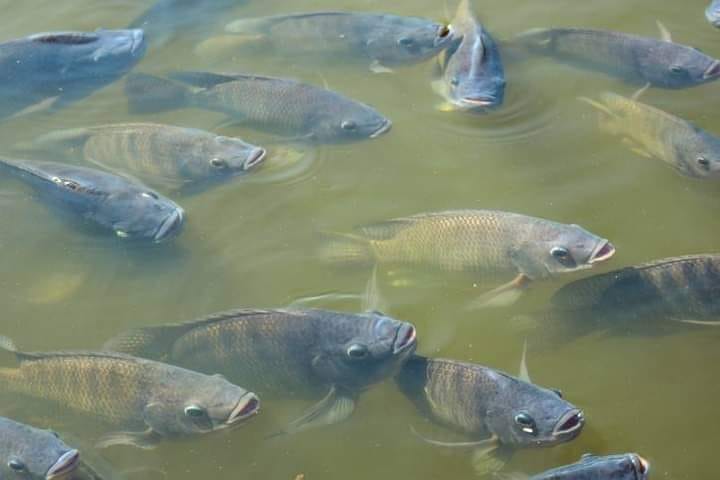
5. Juvenile Fish – Get your juvenile from another farm that specializes in supplying it. You need to
go for the high yield specie of catfish or tilapia and make sure you are getting it from a healthy farm.
6. Get Training – Not the kind of training you get from one day seminars; you need to get attached to a fish farm for proper apprenticeship. For you to properly learn this trade, you need at least two months training on this.
Remember that your investment is at stake, trial and error is not good in business except you have unlimited funds to experiment with.

Written by oxfarmorganic@gmail.com
On Offer


Product List
-
Pumpkin Elgon Cream KSh 230.00 – KSh 440.00Price range: KSh 230.00 through KSh 440.00 -
Mulberry Seedlings KSh 350.00Original price was: KSh 350.00.KSh 200.00Current price is: KSh 200.00. -
Apricot Seedlings KSh 10,000.00Original price was: KSh 10,000.00.KSh 7,500.00Current price is: KSh 7,500.00. -
Agronomy Services KSh 5,000.00 -
Blueberry Seedlings KSh 1,500.00 – KSh 2,500.00Price range: KSh 1,500.00 through KSh 2,500.00 -
Grafted Mango Seedlings KSh 150.00 – KSh 600.00Price range: KSh 150.00 through KSh 600.00 -
Premier Imported Chaff Cutter /chopper KSh 55,000.00Original price was: KSh 55,000.00.KSh 48,500.00Current price is: KSh 48,500.00. -
Kazuri Beans 2Kg KSh 1,750.00Original price was: KSh 1,750.00.KSh 1,330.00Current price is: KSh 1,330.00. -
Red Creole Onion KSh 1,800.00 – KSh 6,500.00Price range: KSh 1,800.00 through KSh 6,500.00 -
Grafted Apple Seedlings KSh 1,000.00Original price was: KSh 1,000.00.KSh 600.00Current price is: KSh 600.00.