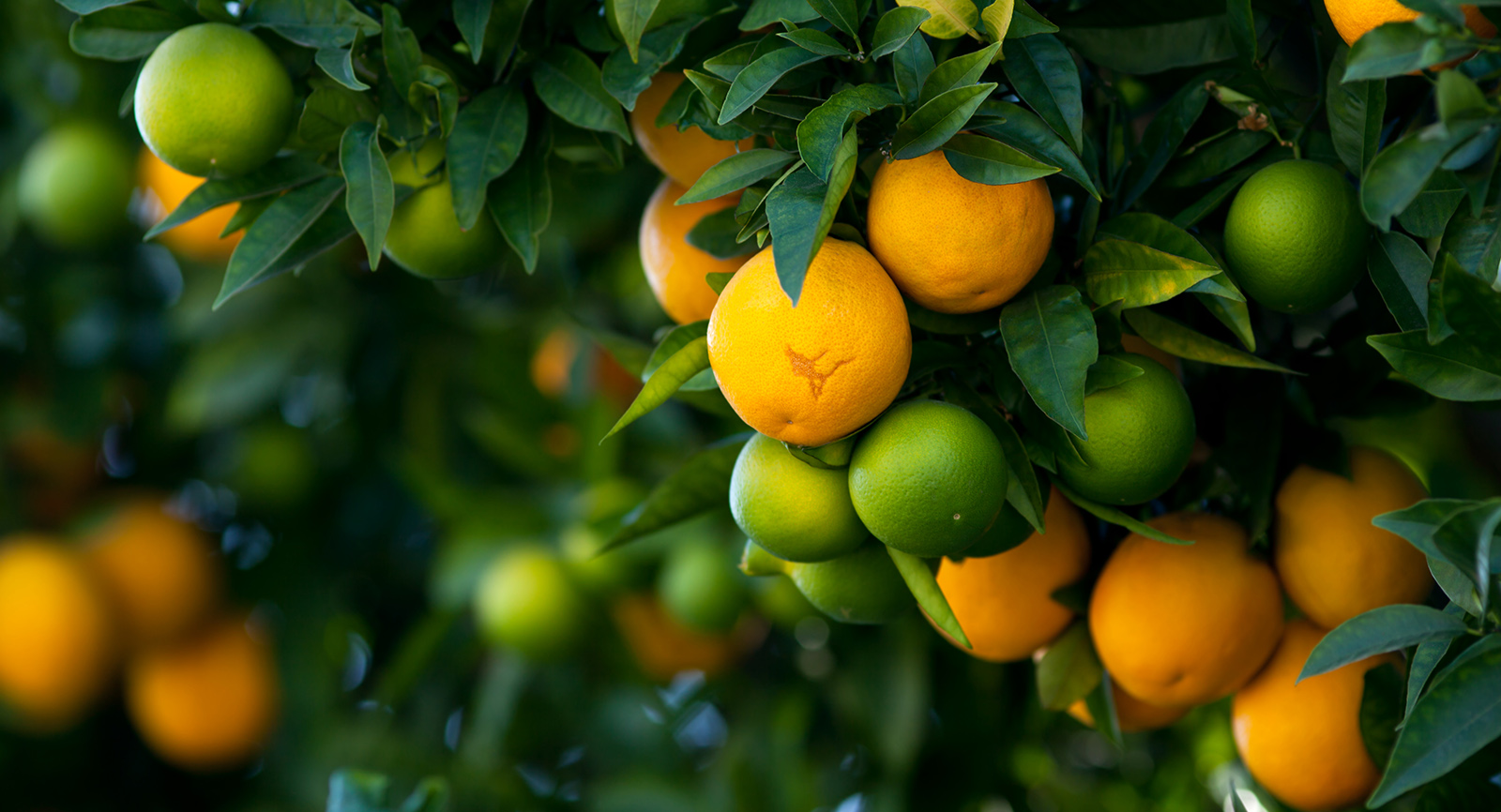
Zimbabwe can now export fruits to China after the two countries signed the citrus phytosanitary protocol, in a development expected to broaden export destinations for the fruits and remove over reliance on South Africa and the European market.
The phytosanitary protocol requires that a cold chain system for the export of fresh citrus fruits to China be put in place like any other country including the European Union (EU) for the management of False Codling Moth and other pests.
This cold chain is required to begin at the port as opposed to the initial requirement for cooling to begin on the farm.
China was represented by the General Administration of Customs of China, Minister Ni Yuefeng while Zimbabwe was represented by Lands, Agriculture, Fisheries, Water and Rural Development Anxious Masuka.
Varieties of fresh citrus to be exported to China from Zimbabwe include sweet orange (Citrus sinensis), mandarin orange (Citrus reticulata), grapefruit (Citrus paradisi), lemon (Citrus limon and Citrus aurantifolia) and sour orange (Citrus aurantium).
Acting chief director for Department of Research and Specialist Services Dr Dumisani Kutywayo confirmed the developments.
“The General Administration of Customs of the Peoples’ Republic of China signed first and we followed suit.
“We are now educating stakeholders on the requirements to export fresh fruits to China. Local stakeholders from the citrus industry have accepted the favourable terms,” he said.
In a post on micro-blogging site, Twitter, the Chinese embassy in Harare said: “The sweet & juicy Zimbabwean citrus will join the Chinese market as the citrus export protocol have just been signed. We are implementing President Xi’s pledge that China will open a green channel for the export of African agricultural products. It’ll benefit more Zimbabwean farmers.”
The finalisation of the protocol will provide an impetus towards the conclusion of partnerships and out grower arrangements with Chinese companies that are eager to export the products to China.
The signing of the trade protocol will also cement trade relations between the two nations and will open the door for other products some that we were not exporting hence will lead to an increase in agriculture contribution to the export basket.
China imports the grade b and c citrus as well and this will help Zimbabwe export those grades that are deemed inferior by traditional markets.
The request for the citrus fruits export protocol between Zimbabwe and China started 2015 when Zimbabwe was seeking a market for Shashi Citrus smallholder farmers.
China requested for Pest Risk Assessment information for the export of fresh citrus fruits from Zimbabwe to China.
When Zimbabwe submitted the information, Chinese experts came to Zimbabwe in 2018 for a pre-shipment inspection of the citrus fields to check for consistence of the pests associated with citrus in Zimbabwe and also for pack shade adherence to required pack shade standards.
Chinese experts declared False Codling Moth (FCM), and Natal fruit flies as pests of concern.
From 2019 until 2020, negotiations went on until a protocol was recently signed between the two countries after agreeing on greed measures to take care of the concerns of plant biosecurity.
China has also agreed out of the protocol framework to provide technical assistance to Zimbabwe regarding fresh citrus exports to the Chinese market.
This initiative will improve local capacity for monitoring and surveillance of citrus plantations for insect pests and diseases.
Meanwhile all orchards and packing houses that wish to export citrus to China have been advised to register with the Ministry of Lands for approval by both the Ministry and approved by both the MLAFWRD and the GACC.
The finalisation of the protocol will provide an impetus towards the conclusion of partnerships and out grower arrangements with Chinese companies that are eager to export the products to China.
The signing of the trade protocol will also cement trade relations between the two nations and will open the door for other products some that we were not exporting hence will lead to an increase in agriculture contribution to the export basket.
The request for the citrus fruits export protocol between Zimbabwe and China started 2015 when Zimbabwe was seeking a market for Shashi Citrus smallholder farmers.
China requested for Pest Risk Assessment information for the export of fresh citrus fruits from Zimbabwe to China.
When Zimbabwe submitted the information, Chinese experts came to Zimbabwe in 2018 for a pre-shipment inspection of the citrus fields to check for consistence of the pests associated with citrus in Zimbabwe and also for pack shade adherence to required pack shade standards.
Chinese experts declared False Codling Moth (FCM), and Natal fruit flies as pests of concern.
From 2019 until 2020, negotiations went on until a protocol was recently signed between the two countries after agreeing on greed measures to take care of the concerns of plant biosecurity.
China has also agreed out of the protocol framework to provide technical assistance to Zimbabwe regarding fresh citrus exports to the Chinese market.
This initiative will improve local capacity for monitoring and surveillance of citrus plantations for insect pests and diseases.
Meanwhile, all orchards and packing houses that wish to export citrus to China have been advised to register with the Ministry of Lands for approval by both the Ministry and approved by both the MLAFWRD and the GACC. – Herald
CREDIT: SOURCE