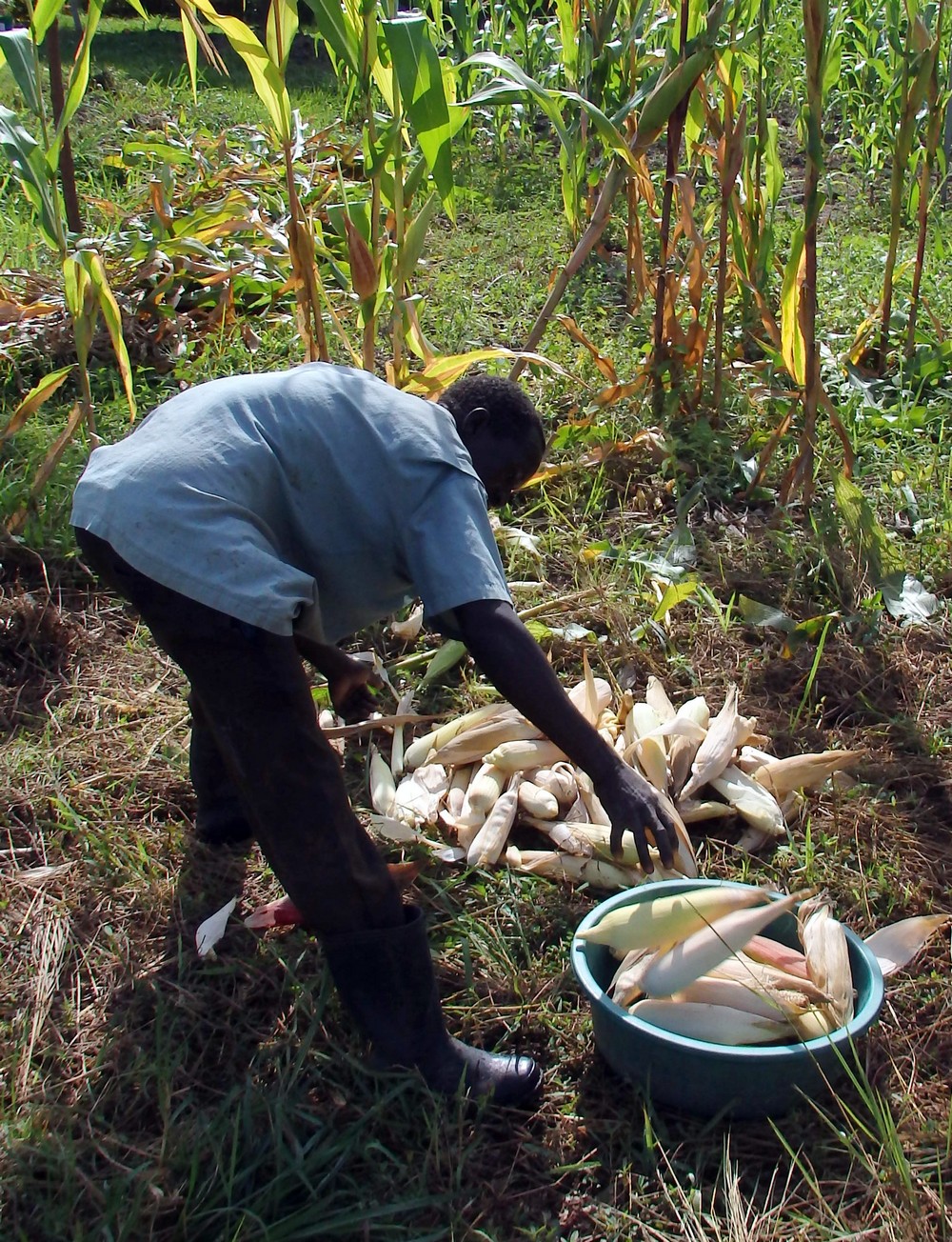
In many places across the country, farmers plant maize year-in, year out, during the short and long rainy seasons.
However, the best practice when farming maize is to rotate with other crops.
Crop rotation is the practice of growing a series of various crops from different families on the same farm in a sequential season. The succeeding crop belongs to a different family thus enhancing diversity.
When making a crop rotation plan, one should be guided by the objectives of growing the crop. For example, the objective can be for pest and disease control and increase of nutrient uptake.
Various crops have different nutrient requirements, thus practising crop rotation reduces the chances of certain soil deficiencies developing.
Planting leguminous crops, such as beans, aids in the fixation of nitrogen, which is used by maize for vegetative growth. This helps in reducing inorganic fertiliser usage to get nitrogen required for maize production in the next crop season. Crop rotation involving legumes diversify production systems and improves the fertility of soils.
Crop rotation also helps in controlling weeds. For instance, crops with dense foliage or large leaves suppress the growth of weeds.
It also helps in controlling pests and diseases that tend to attack specific plant families. For instance, rotating maize crops with leguminous ones helps in controlling the fall army worm that affects maize, but not legumes like groundnuts and beans.
Crop rotation also provides a diverse set of nutrients to soil micro-organisms because the crops’ roots are at different depths, thus capable of exploring various soil layers for nutrients. Also, nutrients that have been leached and are no longer available for the crops can be recycled.
The practice, further, improves the soil structure and reduces depletion and erosion. Some crops have strong, deep roots. They can break hardpans and tap moisture and nutrients from deep in the soil. Others have many fine, shallow roots which tap nutrients near the surface and bind the soil.
They form many tiny holes so that air and water can get into the soil. In rain-fed production, one may decide to grow another crop when the maize it’s at tasselling stage or when harvesting.
This enables the crop to benefit from the moisture content available in the soil. The farmer also ensures maximum utilisation of the land hence earning more profits.
Besides beans, you can rotate maize with soyabeans and cowpeas; brassicas such as kales, cabbages, cauliflower; solanaceae crops such as potatoes, eggplant and tomatoes. Fodder crops such as lucerne can also be used since it also helps in fixing nitrogen in the soil. Avoid a crop such as sorghum since it is affected by similar pests as that of maize.
It is also not ideal to rotate maize with sunflower since both are affected by thrips and rust disease.
In the case of Farmer Moses, he is planning to plant garden peas, which is a leguminous crop for rotation purposes.
Crop rotation requires record-keeping because it helps farmers identify plants that have been grown on the farm in the past. It’s also useful if the records indicate the pest that affected the crops, as this makes it easy for the farmer to plan the crop rotation programme.