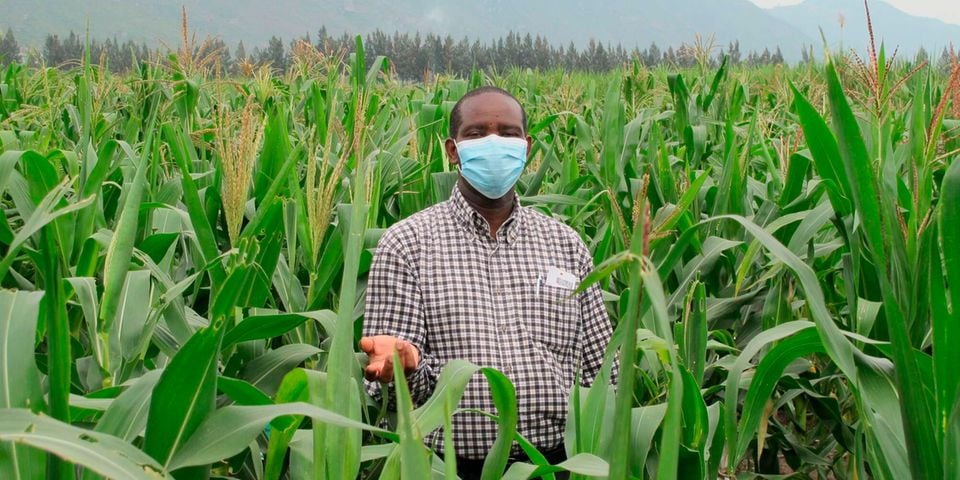
The lifting of the ban on the trading and farming of genetically modified (GM) crops did not come as a surprise. Professionals had for long called for use of GM maize to lower the cost of animal feeds.
But the GMO issue is complicated by the fact that apart from farmers, other players like consumers and politicians have to be convinced about the safety of the technology.
Mass awareness
There is a need for people to know how such foods are consumed, and their advantages and disadvantages. Studies have confirmed the need for awareness for the uptake of innovations. Kenyan players trust public and private agricultural extension service providers, making it possible to share information on GMOs. Workshops, field days, fairs, demonstrations and the media are some of the methods that can be applied for effective communication.
Cultural constraints
Culture encompasses a community’s way of doing things, beliefs and values. Animal and plant breeding has been through natural methods, for example. Artificial insemination (AI) and embryo transfer (ET) have been accepted with time. In AI, semen is harvested from a bull and after processing for preservation and dilution to increase the number of doses, is inseminated into cows.
There is no genetic manipulation. In ET, a cow is injected with hormones to release many eggs at a go. The cow is then inseminated through AI and the eggs that are produced by the hormonally treated cow are fertilised. While AI is now widespread, ET is practised by a limited number of large-scale farmers.
AI and ET demonstrate that with time, new ways of doing things can change even in agriculture.
Knowledge on GM maize
GM maize has been engineered by incorporating genes from the bacterium Bacillus thuringiensis (Bt), which produces insecticidal proteins that kill pests such as maize stock borer. Bt are present in soil and their toxin has been used as an insecticide. The use of Bt maize implies farmers do not have to apply chemicals to control specific insects.
The gene transferred from the bacteria to the maize cannot be transferred to humans through the consumption of the maize. Gene transfer takes place through the reproductive system.
If the transfer of genes were through the digestive system, even genes from conventional foods would do the same and humans or animals might end up with a potato nose or other plant trait.
The acid and enzymes in the stomach break down genetic material for GMO and non-GMO foods, which are mainly proteins, into their constituent amino acids. Consumption of GM maize by an animal will lead to a similar breakdown in the stomach.
The GM material cannot be incorporated into animal products like meat, milk and eggs. These products are, therefore, safe for the consumer.
In volunteers who were fed GM food, it was found that the genes did not survive passage through intact gastrointestinal tract.
Political issues
GM foods were banned in Kenya in November 2012 following a study in France that linked them to cancer. The study was later found to be questionable. By lifting the ban, Kenya joins countries like South Africa, whose GM maize accounted for two-thirds (1.5 million hectares) of white maize grown for food between 2001 and 2009. In between the ban and its lifting, a task force was mandated to clearly and scientifically establish the safety of GMOs, audit the country’s capacity to handle them and make clear recommendations.
Technical
Cross-breeding of GM maize with the maize in the field is an area of concern. Cross-breeding can be sorted out by another technology called the terminator gene, also known as genetic use restriction technology (GURT). The GM seed is made sterile and cannot germinate or can only germinate through the addition of a chemical.
A combination of GURT, labelling of GM foods and clear separation of GM and local maize fields to avoid cross-pollination will secure the interests of slow technology adopters. Maintaining a maize seed bank for the local varieties is necessary.
Economic
Since the liberalisation of the seed market in Kenya in the mid-1990s, many farmers in Kenya have been purchasing seeds from commercial producers. Buying GM seeds from the same farmers will not be an issue. However, a subsidy for farmers who still use their harvested maize as the seed will enhance adoption of the GM seeds.